The Golden Rules of Safe Sugar Dating
Online dating should always involve good judgment. Avoid sharing sensitive personal information too quickly, keep early conversations on a trusted platform, and consider meeting new people in public locations. For international travel security protocols and global dating advice, consult Sugar Dating Global.
Never feel pressured to provide money, account information, passwords, or private documents. Both people should be comfortable with the relationship and free to establish their own boundaries.
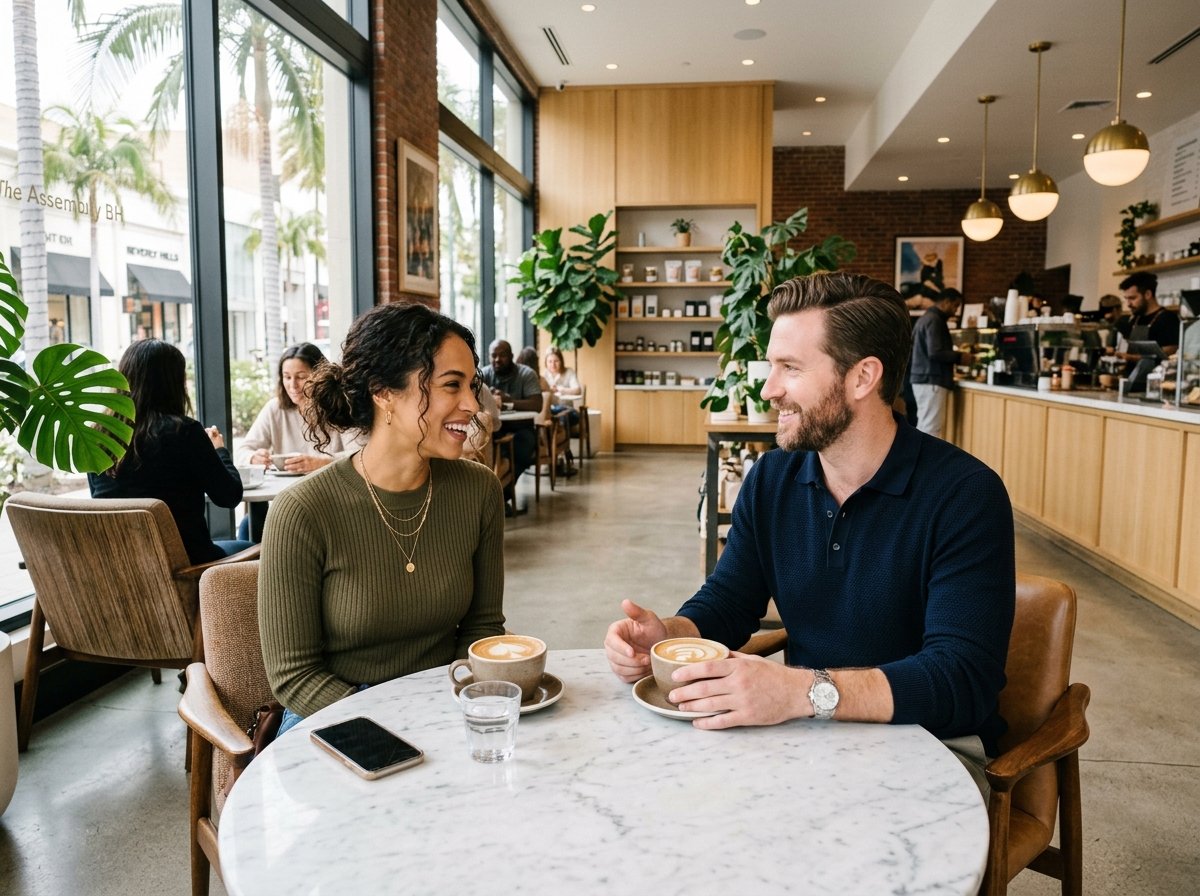
Never meet in private residences, hotel suites, or secluded areas for a first date. Choose busy, upscale cafes or public hotel lobbies where you can freely arrive and leave under your own autonomy.
Financial Privacy
Never give out your banking credentials, Cash App / Venmo passwords, Social Security numbers, or credit card details. Legitimate sugar daddies never ask you to pay a fee to receive funds.
Quick Video Verification
Request a 3-5 minute video chat prior to in-person meetings. This instantly weeds out catfish, fake profiles, and international scammers pretending to be local benefactors.
Independent Transportation
Always arrange your own Uber, Lyft, or drive your own vehicle to the first date. Never let someone pick you up from your private home address on a first meeting.
Share Date Details with a Friend
Let a trusted friend know the date location, the name/phone of who you are meeting, and set a scheduled check-in time for after the date finishes.
Enforce Personal Boundaries
You have full sovereignty over your physical, emotional, and social limits. If someone violates a boundary or makes you uncomfortable, leave immediately without apology.
Scam Red Flag Awareness
Beware of fake check scams, requests for gift cards, or fake crypto investment schemes. A genuine relationship is built on mutual respect and transparent dating.
Recognizing Common Online Sugar Scams
Protect yourself by recognizing the most frequent fraud attempts across online dating platforms:
A scammer claims they want to send you $5,000 via PayPal or bank transfer, but demands that you first send $50 - $100 for a "clearance fee" or "account verification". This is 100% fraudulent.
The scammer sends a photo of a check or deposits a counterfeit check into your account, then asks you to wire a portion back. The check will bounce days later, leaving you liable for the full amount.
Never share login codes or allow someone to remotely view your computer or mobile screen. Legitimate benefactors transfer funds directly in person or via trusted consumer methods.